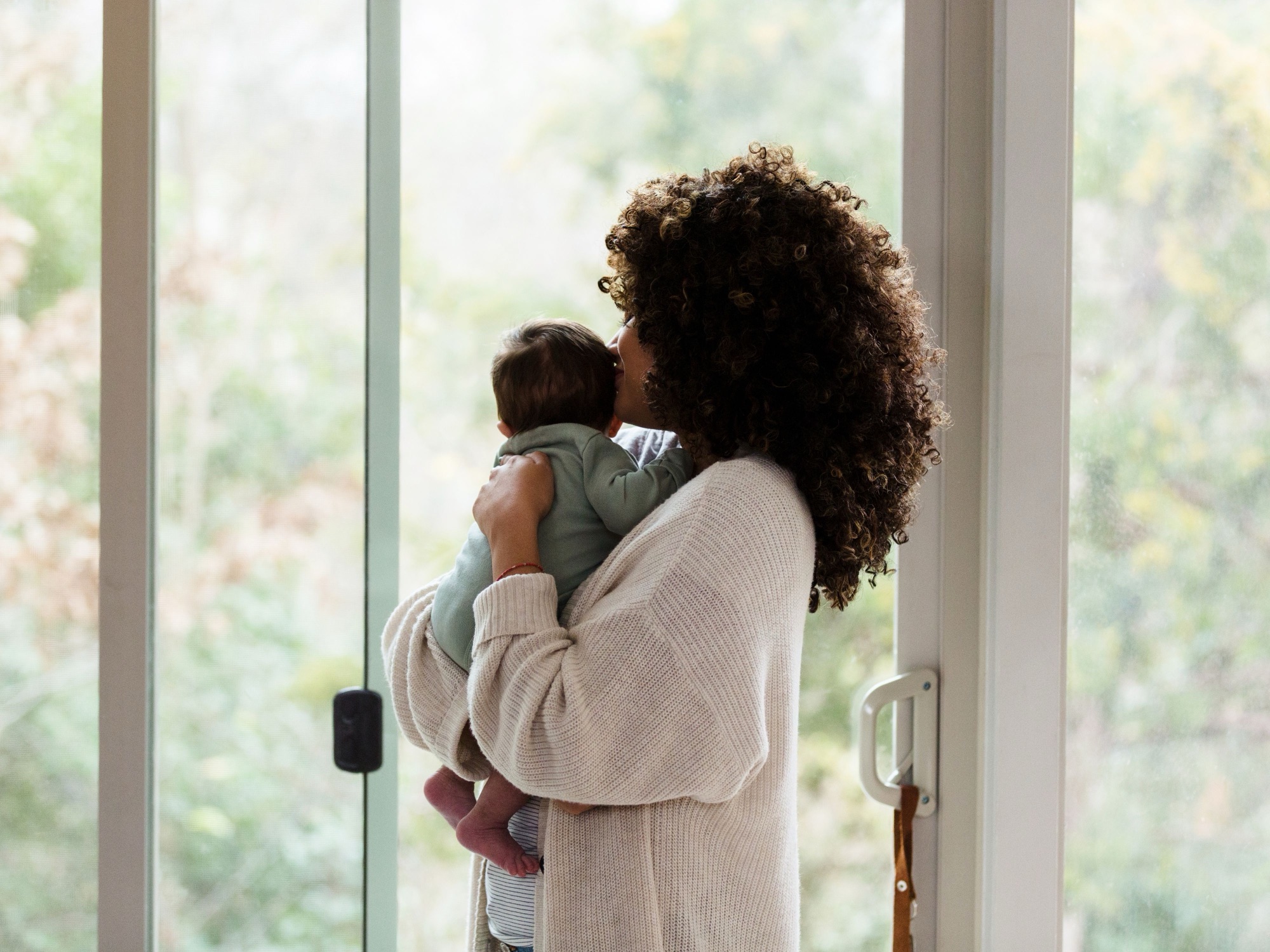
In the world of early childhood development, we talk a lot about “meaningful time.” As a Learning Designer, I spent years defining this through the lens of engagement: a child focused on a task, a perfectly designed invitation to play, the visible progress of a milestone reached.
But recently, a season of relentless tears in my own home forced me to redesign my definition of “meaningful.”
Most of us start in a place of Resistance. When the crying starts and doesn’t stop, our brain treats it as a bug in the system. We feel our time is being stolen. We think: “I could be doing something productive right now if they just stopped.”This resistance is what leads to burnout and, eventually, to that explosive frustration we all try to hide.
Then, we move to Endurance. We’ve read the books. We know we are supposed to be a “Safe Harbor.” So we grit our teeth. We stay. We hold them. But internally, we are still pushing them away. We are “faking it till we make it,” and here’s the cold, hard truth: Children are the ultimate bullshit detectors. They can feel the tension in your shoulder, the shallow rhythm of your breath, the mental wall you’ve built to protect yourself from their noise.
An “Enduring Harbor” is just a wall. And walls don’t heal.
The Internal Shift: Redefining the Task
The moment everything changes—the moment the “meaning” finally clicks—is when you stop seeing their distress as an interruption of your work and start seeing it as the work itself.
Meaningful time isn’t just about the 3D-to-2D bridge or vocabulary cards. It is about the biological necessity of emotional co-regulation. When you decide to stop “enduring” and start “being,” you aren’t just wasting an hour sitting on a nursery floor. You are:
- Providing a Nervous System: You are literally lending them your calm so they can learn to regulate their own.
- Building Emotional Architecture: Every time you stay present without frustration, their brain records a deep, foundational truth: I am safe, even when I am at my worst.
- Prioritizing Connection over Correction: You stop trying to “fix” the crying and start simply witnessing it.
When you make this shift, the “annoyance” of the crying dissolves. Not because the sound is suddenly pleasant, but because your purpose is now clear. You aren’t a victim of their emotions; you are the architect of their resilience.
Did I do enough today?
The next time you find yourself gritting your teeth, waiting for the storm to pass so you can get back to “real life,” try this: Surrender to the storm. Realize that in this moment of doing “nothing” but being a shoulder to cry on, you are doing more for their development than a thousand perfect activities ever could.
This is the rawest, most essential form of intentional parenting. It’s hard. It’s exhausting. And it is the most meaningful work you will do all day.
Leave a Reply