We are conditioned to lead. In a world that prizes “leadership skills” and “proactive parenting,” the idea of being a follower feels almost lazy. We feel the itch to narrate, to scaffold, to show them how the puzzle piece fits before they’ve even realized it’s upside down. We want to be the directors of their world.
But the most profound learning doesn’t happen when we lead. It happens when we become The Silent Companion.
Being a Silent Companion is a radical act of restraint. It means sitting on the floor, fully present, but with zero agenda. It’s the role where you are a 100% follower and a 0% leader. You aren’t there to teach; you are there to provide the “secure base” from which they can explore the world.
The Ego of the “Teacher”
The hardest part of this role is overcoming our own boredom and our own ego. When we step in to “help” a child who is struggling with a zipper or trying to figure out how to stack two mismatched blocks, we aren’t actually helping. We are interrupting. We are stealing the “Aha!” moment—that tiny, electric spark in the brain where a neural pathway is permanently forged.
Every time we say, “Look, the red one goes here,” we communicate a subtle message: I am the source of knowledge, and you are not capable of discovering it on your own. If they truly need you to step in, they will ask for it in their own way.
Following the Lead
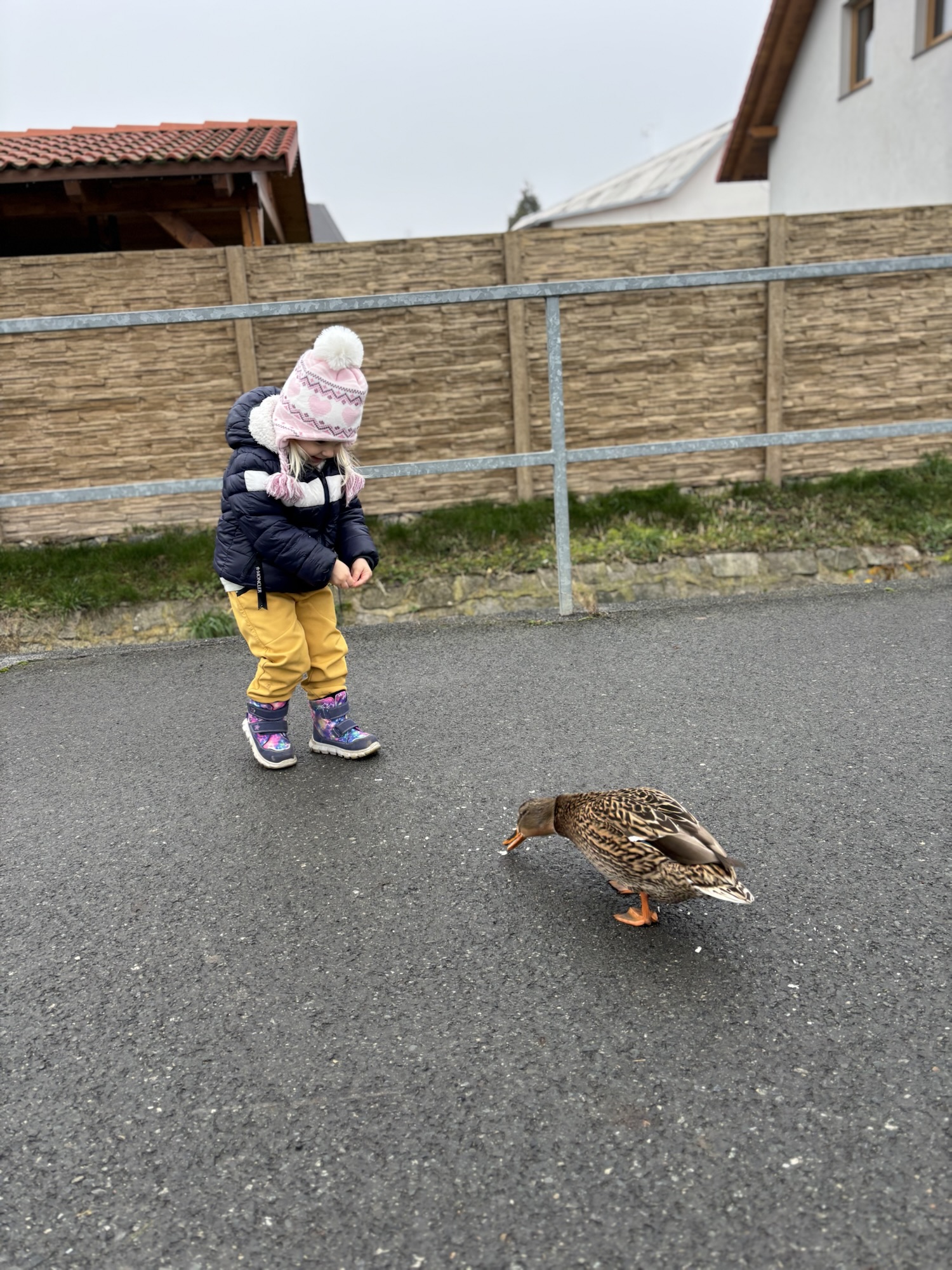
Being a Silent Companion means letting the child dictate the pace and the subject. If they want to spend twenty minutes watching a single ant cross the pavement, your job is to watch the ant with them. Not to explain the biology of ants. Not to point out where the ant is going. Just to be there, sharing the frequency of their wonder.
In this state, you are the shadow that provides safety without casting a glare. You are the floor—stable, unmoving, and supportive.
The Shift to Meaningful Presence
When you truly embrace being a Silent Companion, the pressure to “be a good parent” evaporates. You realize that your child doesn’t need a constant entertainer or a 24/7 professor. They need someone who can handle the silence. Someone who can witness their struggle without rushing to end it.
It’s in these quiet, unhurried moments—where you are just being and they are just doing—that the deepest bond is formed. You are telling them: “I see you. I trust you. I am here if you need me, but I believe in your ability to navigate this.”
It feels like doing nothing. But in the architecture of a child’s soul, it is everything.
Did I do enough today?
If you feel the pressure of unproductivity creeping in, come back to this checklist. You have done enough today if:
You counted to thirty silently while they wrestled with a task—a zipper, a lid, or a block—before you offered a helping hand.
You sat on the floor with them for ten minutes with absolutely no agenda, simply being the “secure base” they could return to.
You followed their curiosity, even if it meant climbing the steps up and down three times.
Leave a Reply